
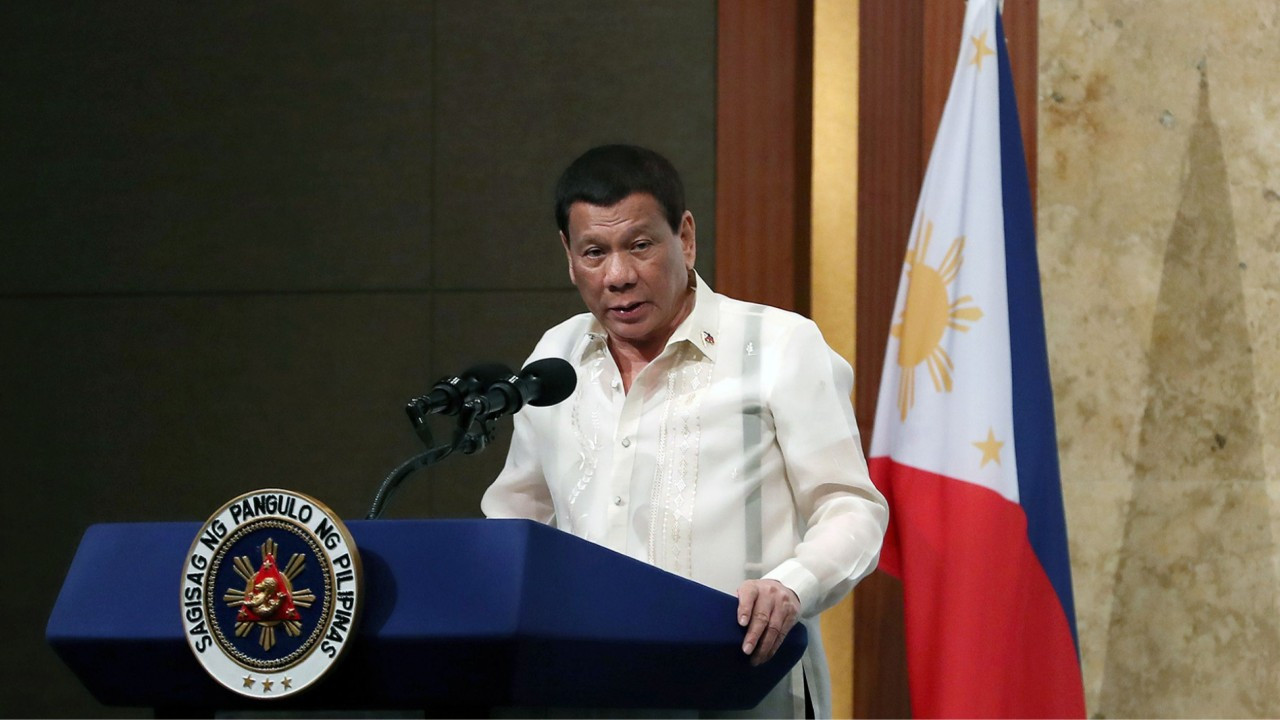
The ICC and the Arrest of Rodrigo Duterte: Justice, Sovereignty, and a Divided Nation
On March 17, 2023, the International Criminal Court authorized the resumption of its investigation into alleged crimes committed during former Philippine president Rodrigo Duterte’s war on drugs. This decision reopened international scrutiny on one of the most controversial periods in modern Philippine history and reignited debate over justice, sovereignty, and accountability. While Duterte himself has not stood before the court, the ICC’s move placed the possibility of arrest and prosecution firmly back into public discussion.
The ICC’s investigation centers on thousands of deaths linked to anti-drug operations conducted during Duterte’s presidency and earlier during his tenure as mayor of Davao City. Human rights organizations argue that many of these killings followed consistent patterns and were carried out without due process. Families of victims have long claimed that domestic institutions failed to investigate or prosecute those responsible, leaving them with no meaningful path to justice.
Supporters of the ICC’s actions view the renewed investigation as a necessary step toward accountability. They argue that when a state is unwilling or unable to prosecute serious crimes, international mechanisms exist to prevent impunity. For them, the ICC is not interfering in Philippine affairs, but stepping in where the justice system fell short. They believe that no individual, regardless of rank or popularity, should be beyond the reach of the law.
Opposition to the ICC case remains strong. The Philippines formally withdrew from the court in 2019 under Duterte’s leadership, a move his supporters cite as proof that the ICC no longer has jurisdiction. Many view any attempt to arrest or prosecute a former president as a violation of national sovereignty and an insult to the country’s legal system. To them, the case represents foreign interference and selective justice imposed by institutions dominated by powerful Western nations.
The issue has deeply divided the public. Duterte remains popular among millions of Filipinos who credit his leadership with restoring order, reducing crime, and confronting entrenched elites. For these supporters, the ICC investigation feels less like justice and more like punishment for a leader who rejected international pressure and pursued a hardline approach to security. They question why global institutions appear eager to pursue leaders from developing countries while avoiding scrutiny of powerful states with their own histories of violence.
The current Philippine government faces a difficult dilemma. Cooperation with the ICC risks political backlash and accusations of surrendering sovereignty. Refusal to cooperate risks international criticism and reinforces claims that the country tolerates human rights abuses. The decision carries long-term consequences for foreign relations, domestic politics, and public trust in state institutions.
Beyond legal arguments, the ICC case forces the nation to confront deeper questions. How should justice be pursued when institutions are weak or politicized. Can sovereignty coexist with international accountability. How does a country honor victims without ignoring the fears of citizens who supported harsh policies in the name of security.
The ICC case involving Rodrigo Duterte is not just about one former president. It is about the direction of the Philippines as a nation. Whether it chooses accountability, absolute sovereignty, or a difficult balance between the two will shape its political identity for years to come. The outcome will define how power is exercised, how justice is understood, and how Filipino lives are ultimately valued.