
Loss of Identity and Sovereignty: When a Nation Forgets Itself
A nation does not lose its sovereignty overnight. It fades quietly, through small compromises, subtle influences, and the gradual reshaping of how people see themselves. In the Philippines, this loss is not only political or economic. It is cultural, historical, and deeply personal. Our identity, values, and national dignity are slowly being hollowed out, often without resistance, as foreign influence reshapes what we accept as normal.
Culture is one of the first casualties. The stories we tell, the ideals we celebrate, and the figures we honor increasingly reflect external preferences rather than our own historical experience. Foreign standards influence our education, media, and even our sense of success and self-worth. Over time, this conditions people to admire what is foreign and dismiss what is truly their own. When a nation learns to see itself through the lens of outsiders, confidence erodes and pride weakens.
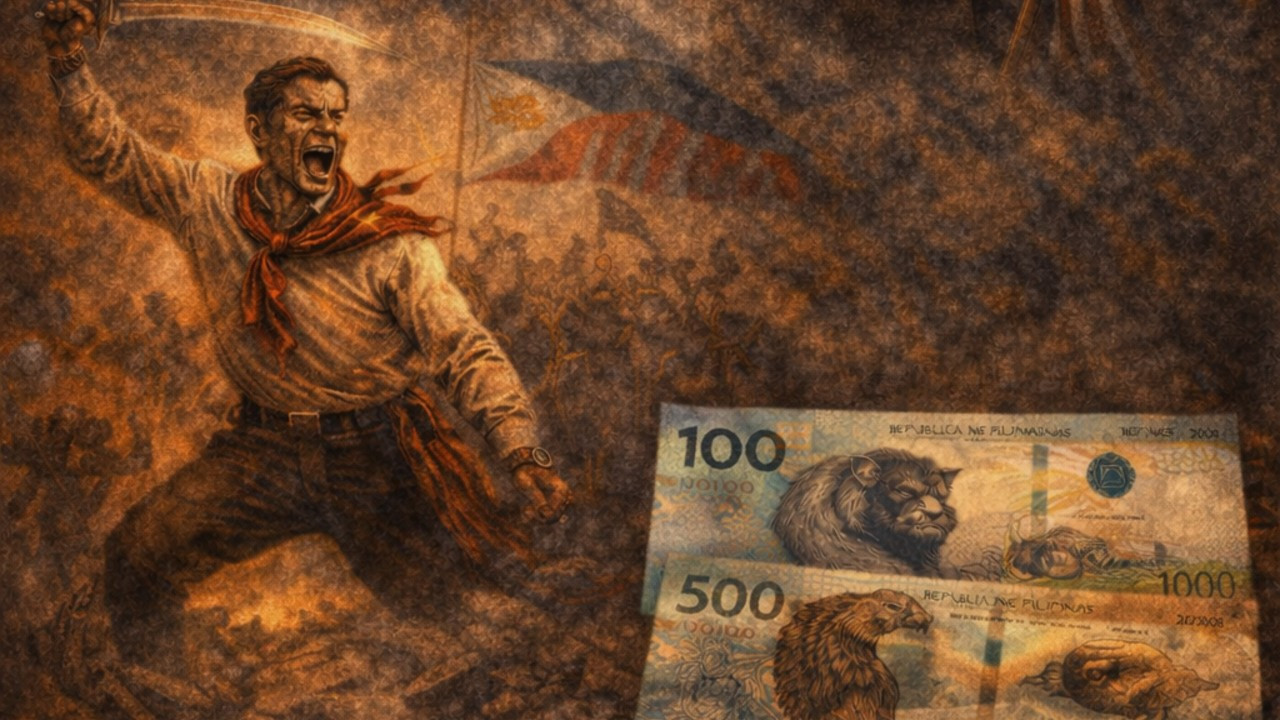
Even our currency reflects this shift. Money is not just a tool for trade. It is a symbol of identity and collective memory. The removal of national heroes from banknotes and their replacement with neutral images and animals may seem harmless or modern, but it sends a quiet message. The faces of men and women who fought, suffered, and died for freedom are pushed aside. In their place are images with no historical voice and no reminder of sacrifice. When daily life no longer carries visible reminders of struggle and resistance, history becomes easier to forget.
This loss of narrative control is also visible in how heroes are chosen and promoted. José Rizal is widely celebrated as the national hero, known for his writings, intellect, and reformist ideals. While Rizal’s contributions are undeniable, history shows that American colonial authorities favored him precisely because he represented a nonviolent and non-threatening form of resistance. His image was elevated as safe, intellectual, and acceptable to colonial rule.
Meanwhile, revolutionary figures like Andrés Bonifacio are often pushed to the margins. Bonifacio called for armed resistance and genuine independence. He represented defiance, mass struggle, and the rejection of foreign control. These qualities made him inconvenient to colonial powers and later uncomfortable for elites who benefited from the existing order. By softening revolutionary history and emphasizing figures approved by outsiders, the spirit of resistance is slowly diluted.
When outsiders influence which heroes we remember, which stories we tell, and which values we uphold, a nation begins to lose control of its identity. History becomes selective. Struggle is sanitized. Resistance is reframed as extremism. Over time, people inherit a version of their past that teaches obedience rather than courage, accommodation rather than independence.
A nation that does not control its narrative cannot fully control its future. Without a strong sense of identity, people become easier to influence, easier to divide, and easier to dominate. Sovereignty is not only about borders, armies, or laws. It is about memory, pride, and the freedom to define who we are without external approval.
Reclaiming national identity requires confronting uncomfortable truths, honoring all forms of resistance, and valuing local culture without apology. It means teaching history honestly and allowing the people to decide which heroes truly represent their struggle. Until Filipinos fully shape their own narrative, independence will remain incomplete, and sovereignty will exist more in name than in reality.